
Learning and Transforming: International Practices and Perspectives on Prison Education
This special issue of Apprendre+Agir of the Cooperation Institute for Adult Education on the theme Learning and Transforming: International Practices and Perspectives on Prison Education was made possible by a partnership with the UNESCO Chair in Applied Research for Education in Prison. Nine papers consider educational practices in correctional settings through case studies and research findings. They highlight different perspectives – those of incarcerated youth, women who have experienced (and survived) imprisonment, teachers working in correctional settings, adolescents in pre-judicial situations, prison volunteers, researchers, and more. Several themes are explored, ranging from the role of prison libraries to community art and the impact of co-creating an artwork, to digital education practices in detention, open education, and teacher burnout in prison environments.
https://icea-apprendreagir.ca/category/edition-speciale-2025
Prison Education Case Studies – online
Education is a fundamental human right, of which prisoners should not be deprived. Lifelong learning opportunities in penitentiary contexts can empower individuals by equipping them with the tools to create new lives and livelihoods for themselves after release.
This online collection seeks to showcase innovative and effective practices in this area, while sharing key impact data and personal stories that illustrate the transformative power of lifelong learning opportunities that are available to individuals who are incarcerated.
https://www.uil.unesco.org/en/prison-education-case-studies
How Juveniles are taught in Germany (Audio in GER) – Bildung im Strafvollzug: Wie Jugendliche unterrichtet werden – Prof. Jens Borchert
Listen to the interview in German with Prof. Jens Borchert from Merseburg University (GER) about Education in Juvenile Prisons in Germany. He paints a very true picture about the challenges when teaching the juveniles. (7’15 minutes; broadcasted on Feb 26th 2026)
Visit of the Prison School Victoria Kent in Castellón de la Plana (ESP)
The participants of the conference remember for sure our openminded and friendly colleagues from Castellón. EPEA Chair Thomas Wüthrich took the opportunity during a private trip to visit the Victoria Kent Prison School in Castellón de la Plana. It was a warm and interesting re-encounter. Read the article about the visit on the school’s website.
https://portal.edu.gva.es/12005881/erasmus-2/movilidadesentrantes-2/visita-director-epea/
See also the schools report on the conference in Skopje.
https://portal.edu.gva.es/12005881/erasmus-2/movilidades-entrantes/georgia
See the video of the last EPEA webinar with Dan Whyte
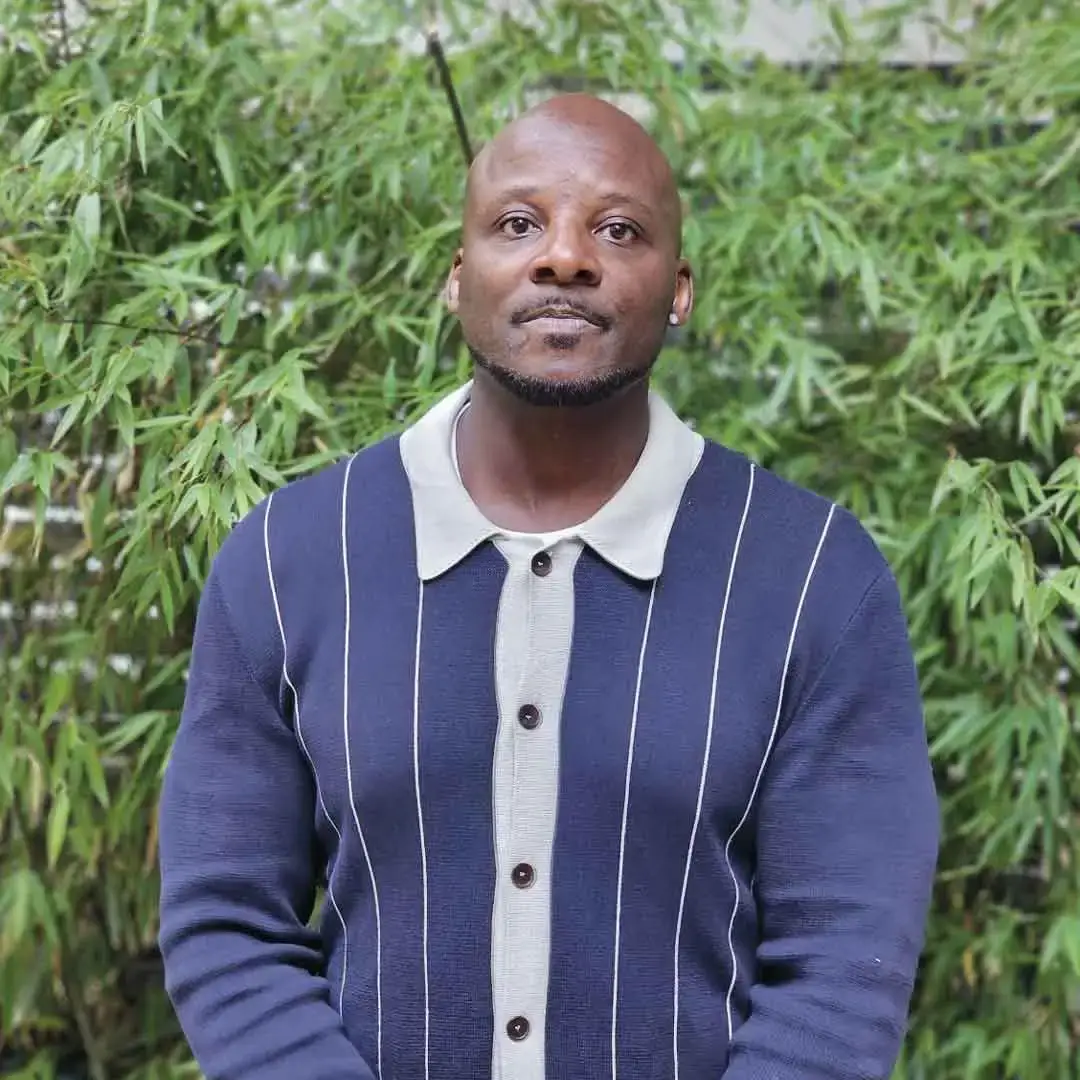
In this bold and unflinching closing keynote, Dan Whyte — Co-Director of DWRM and Global Freedom Fellow with the Incarceration Nations Network — delivered a powerful call to action for the prison education community. Drawing on his lived experience and the proven impact of the DWRM Model+, Dan challenges Europe’s justice systems to stop circling around the evidence and start implementing what works.
https://www.youtube.com/@epeatube/videos
Intercontinental culinary exchange between prisons in Czech Republic and Texas
In 2023, Prison Service of the Czech Republic cooperated together with Windham School District and Texas Department of Criminal Justice on online culinary class. This event was totally unique. Courtesy by Jan Mares, Head of the Educational Centre of Pribram Prison, Czech Republic
Enhancing Social Reintegration: The Impact of Lifelong Education on Probationers’ Adaptation in Türkiye
Since 2004, Türkiye has implemented a system called probation, which helps inmates reintegrate into society through supervision and support. The study examined how good educational programs implemented during the probationary period help these individuals to socially adapt and continue learning throughout their lives. The study uses a combination of surveys and interviews to collect information from 122 inmates.
Read the full article here:
https://journals.sagepub.com/doi/10.1177/21582440251376482
Step inside the Circle
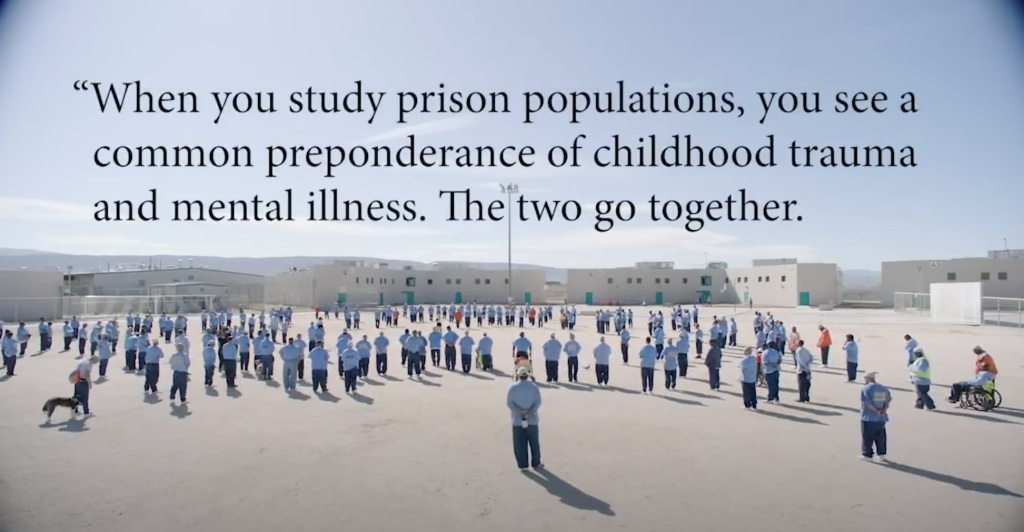
Step Inside the Circle is a call to action: to spread the word about Adverse Childhood Experiences (ACEs). It is a call to recognize the physical, emotional and social impact ACEs have wrought upon society and to stress the importance of care (not punishment) going forward in the prison system.
Those who experience the Compassion Trauma Circle and learn about the symptoms of trauma feel a sense of relief, self-forgiveness and community support. It has given them awareness about their past and has opened a doorway to new levels of understanding, compassion and healing.
This work is an initiative of the Compassion Prison Project which is a grassroots organisation made of people gathering together with a common bond and vision to create a more compassionate world.